Why Hotel Gyms Feel Harder Than the Gym You Left at Home
Quick Answer: Hotel gyms feel harder mostly because of air, not equipment. These rooms are usually kept 3 to 5 degrees warmer than a commercial gym, have weaker air circulation, and sit at whatever altitude and humidity your destination happens to have. Add travel dehydration and a shifted sleep schedule, and your usual working weight can feel 10 to 15 percent heavier. Drop the load, keep the reps, and stop treating the number on the dumbbell as the measure of the session.
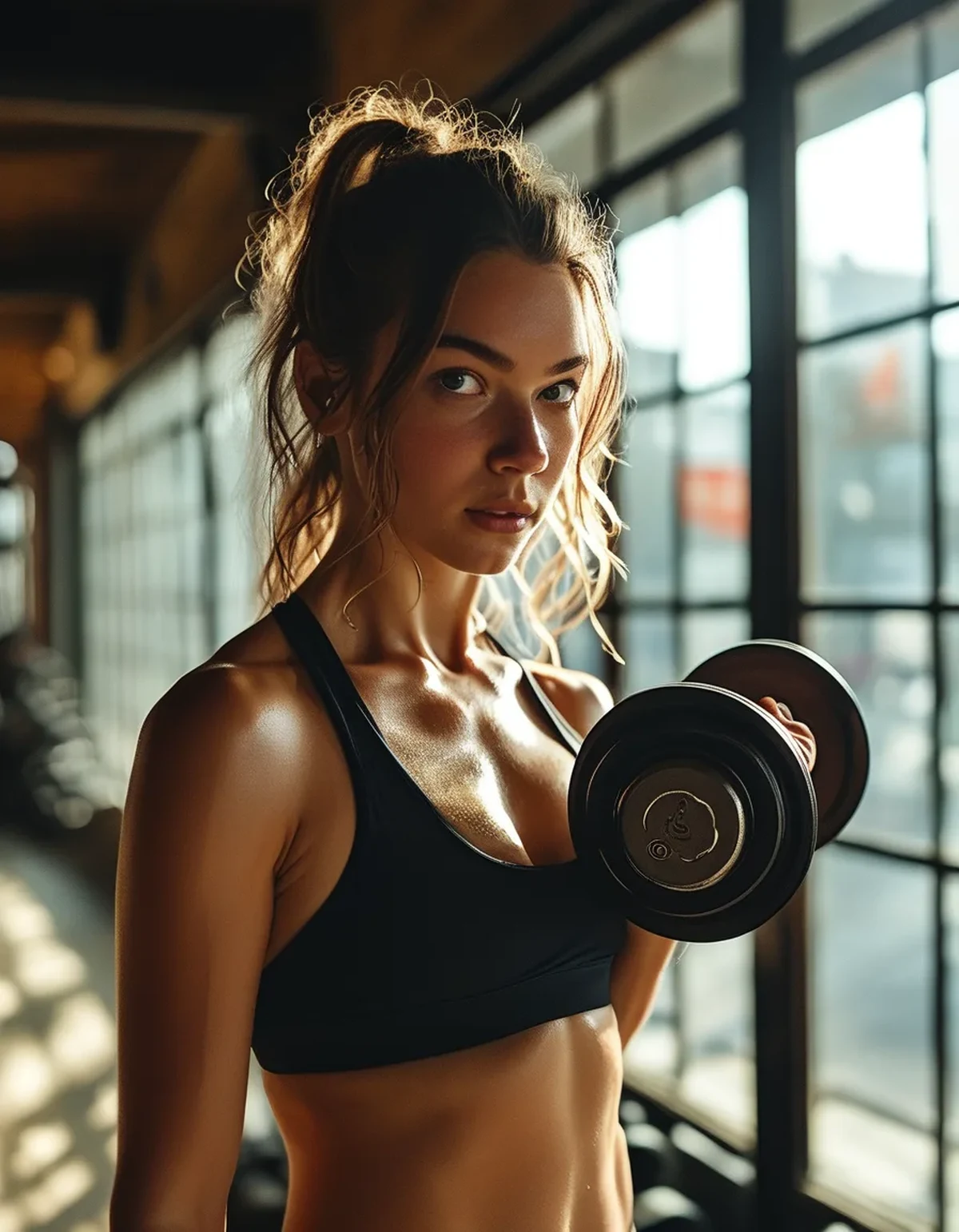
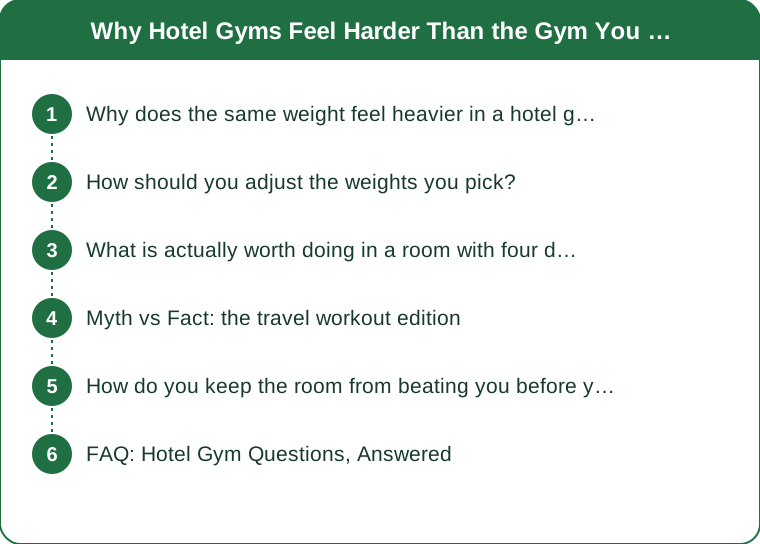
You walk in feeling fine. Three sets later you are staring at a 20-pound dumbbell wondering when it got so unfriendly. Nothing is wrong with you, and nothing is wrong with your training. The room changed.
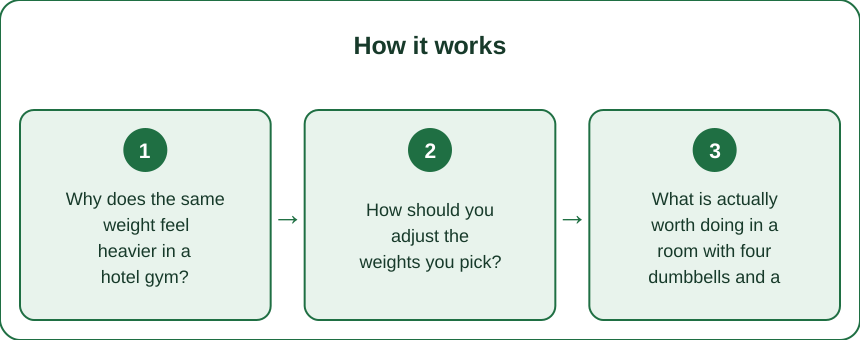
Why does the same weight feel heavier in a hotel gym?
The single biggest variable is heat. Most hotel fitness rooms run between 72 and 76 degrees because they share an HVAC zone with guest corridors, and they rarely have the high-volume air handling a commercial gym uses. Warmer air with less movement means your body diverts blood to your skin for cooling instead of to working muscle. Perceived effort climbs even when actual output is identical.
Second is dehydration. A three-hour flight in cabin air at roughly 10 to 20 percent humidity pulls a meaningful amount of fluid out of you, and most people do not replace it. A 2 percent drop in body water measurably raises heart rate at a given workload.
Third is your sleep clock. Even a two-hour time shift changes when your body expects to produce force. Training at 7 a.m. local time after flying east can mean training at 4 a.m. body time, which is close to the daily low point for strength.
How should you adjust the weights you pick?
Use the same rep target and let the load float down. If you normally press 25s for 10, start at 20 and see how rep 6 feels. The goal on the road is to preserve the movement pattern and the effort, not the number.
A simple rule that works: pick the weight you think you need, then take the next one down. Hotel dumbbell sets usually jump in 5-pound increments anyway, and going lighter costs you almost nothing across a three-day trip.
If the rack tops out at 30 pounds and that is now too light, slow the lowering phase to a 4-count instead of hunting for more weight. Time under tension covers the gap.
What is actually worth doing in a room with four dumbbells and a treadmill?
Skip the attempt to replicate your normal split. Three days of maintenance needs far less than people think — research on detraining consistently shows strength holds for two to three weeks with minimal stimulus.
A full-body circuit is the highest-value use of 25 minutes: goblet squats, a hinge, a press, a row, and a carry. Three rounds of 8 to 12 reps. Movement variety matters more than load when time and equipment are limited.
The treadmill is the underrated tool in most hotel gyms because it is the one piece of equipment that is identical everywhere. A 20-minute incline walk at 4 to 6 percent grade gets more done for most travelers than a frustrating hour with the wrong dumbbells.
Myth vs Fact: the travel workout edition
Myth: Missing three days of training sets you back weeks. Fact: Measurable strength loss generally begins around the two-week mark for trained lifters. Three days is a rest block, not a setback.
Myth: Hotel gyms are useless without a squat rack. Fact: Unilateral work — split squats, single-leg RDLs, step-ups — reaches high effort with laughably light dumbbells. Most people have never trained hard enough on one leg to know this.
Myth: You should train at your usual home time. Fact: For trips of three days or fewer, training at your usual body clock time beats local time. For longer trips, shift to local and let the adaptation happen.
Myth: The scale jump after a trip is fat. Fact: It is sodium and travel-related fluid retention almost every time. Give it four days.
How do you keep the room from beating you before you start?
Arrive hydrated rather than trying to catch up mid-session. Roughly 16 ounces of water an hour before you train, with a pinch of salt or an electrolyte tab if you flew that day, does more than anything you can do during the workout.
Prop the door if the room has one that opens to a corridor, and start the treadmill fan or the room’s ceiling fan before your first set. Moving air lowers perceived effort even when the temperature does not change.
Wear less than you would at home. Hotel gyms are the wrong place for a hoodie you plan to keep on. A breathable tank and shorts you can actually sweat through will do more for your session than any warm-up trick.
And lower the stakes. A trip workout that happens at 70 percent beats the perfect one you skip because the room was too warm.
FAQ: Hotel Gym Questions, Answered
Is it better to work out before or after a flight?
Before, if you can manage it. Training before a long flight helps with circulation and makes the seated hours less punishing. Training within a few hours of landing usually means training dehydrated and under-slept.
Should I count a hotel workout as a real session in my program?
Yes, but log the conditions. Note the weight and add a marker for travel so you do not read the lower load as lost progress six weeks from now.
What if the hotel gym is closed or nonexistent?
A hallway and a floor cover it. Bodyweight squats, push-ups, split squats, and a plank series done as a 20-minute circuit will hold everything in place for a short trip.
TL;DR:
- Hotel gyms run warmer with weaker airflow, which raises perceived effort at identical output.
- Travel dehydration and a shifted body clock stack on top of that.
- Keep your rep targets, drop the load, and stop measuring the trip by the dumbbell number.
- Three days off does not undo months of training.
The fix here is mostly a mental one. Once you stop treating the hotel gym as a failed version of your normal gym and start treating it as a different room with different rules, the sessions get easier and you stop skipping them. Show up, move well, sweat a little, and let the real training resume when you are home.
Keep Reading
This article is for general informational and styling purposes only. Fit, sizing, and product availability may vary.