The Packing Cube System That Actually Keeps Workout Clothes Organized on Trips
Quick Answer: A dedicated packing cube system — one cube for clean activewear, a separate breathable or waterproof cube for worn/damp items — keeps workout clothes from mixing with regular clothes and prevents the damp-smell problem that loose packing creates on multi-day trips.
You packed your workout clothes with everything else, worked out once, and now a slightly damp sports bra is touching your going-out top for the rest of the trip. A better system fixes this in about five extra minutes of packing.
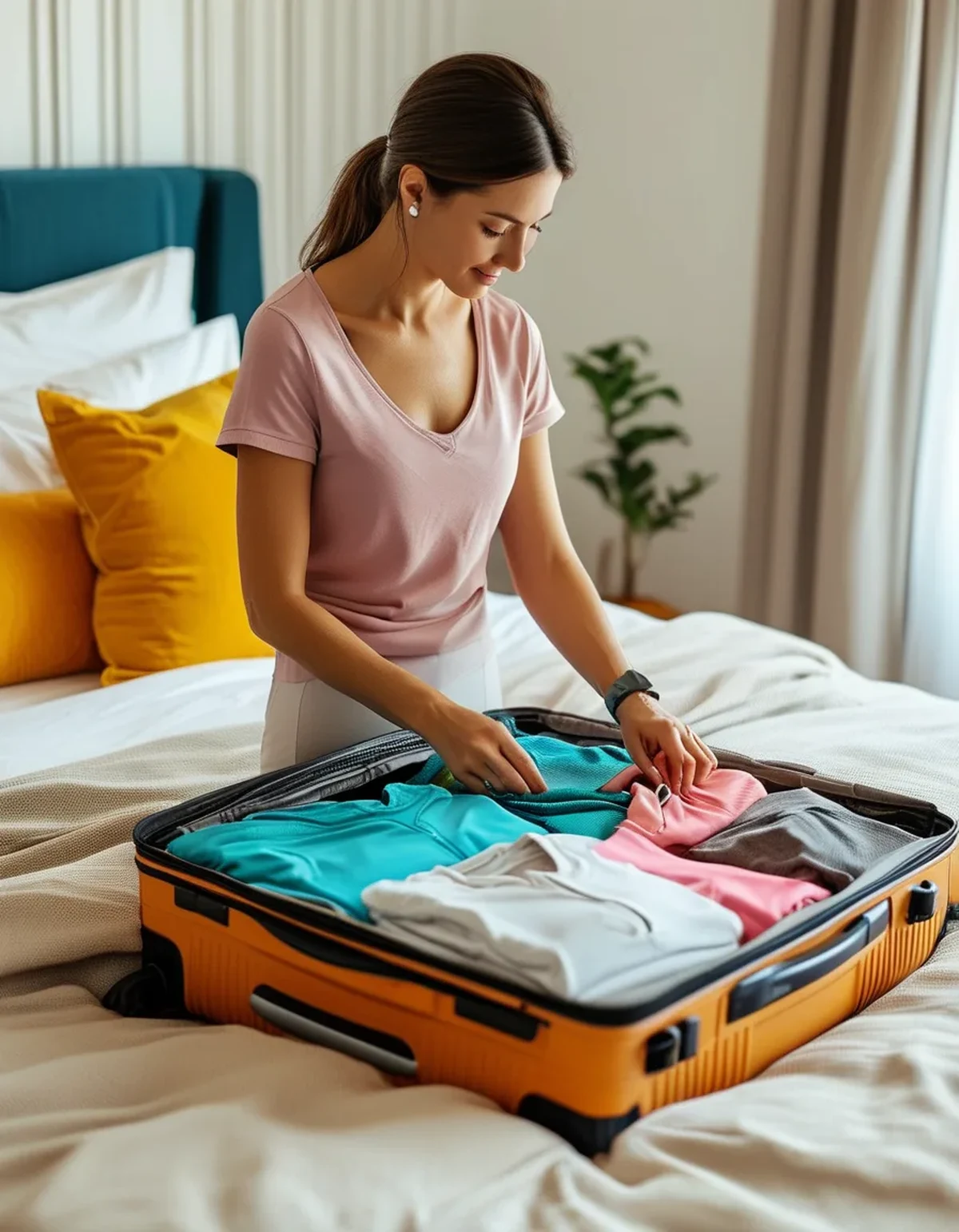
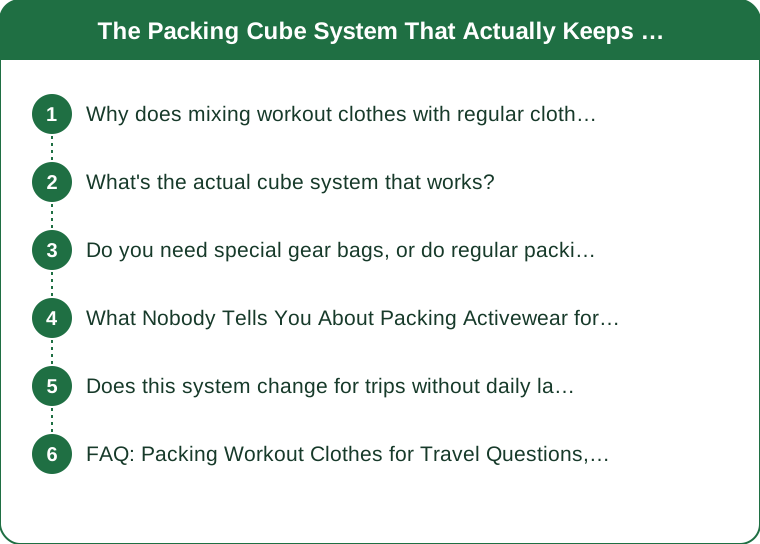
Why does mixing workout clothes with regular clothes cause problems?
Worn activewear retains moisture and odor-causing bacteria even after it looks dry, and packed tightly against other clothing in a suitcase, that moisture and smell can transfer, especially on longer trips without daily laundry access. Regular clothes packed loosely alongside gym clothes essentially absorb some of that lingering dampness and odor over several days.
It also creates a practical sorting problem — digging through a suitcase for clean travel clothes while trying to avoid touching worn workout gear wastes time and often results in accidentally packing worn items back in with clean ones anyway.
What’s the actual cube system that works?
One cube for clean, unworn activewear — leggings, sports bras, tops — packed as you would for home, keeps this category separate and easy to grab. A second, separate cube (ideally with a breathable or mesh panel, or a dedicated wet/dry bag) for worn items goes in as soon as something’s used, keeping damp or odorous gear contained and away from everything else in the suitcase.
This two-cube split takes minimal extra packing effort but solves the mixing problem almost entirely — clean stays clean, worn stays contained, and neither touches your regular clothes at any point in the trip.
Do you need special gear bags, or do regular packing cubes work?
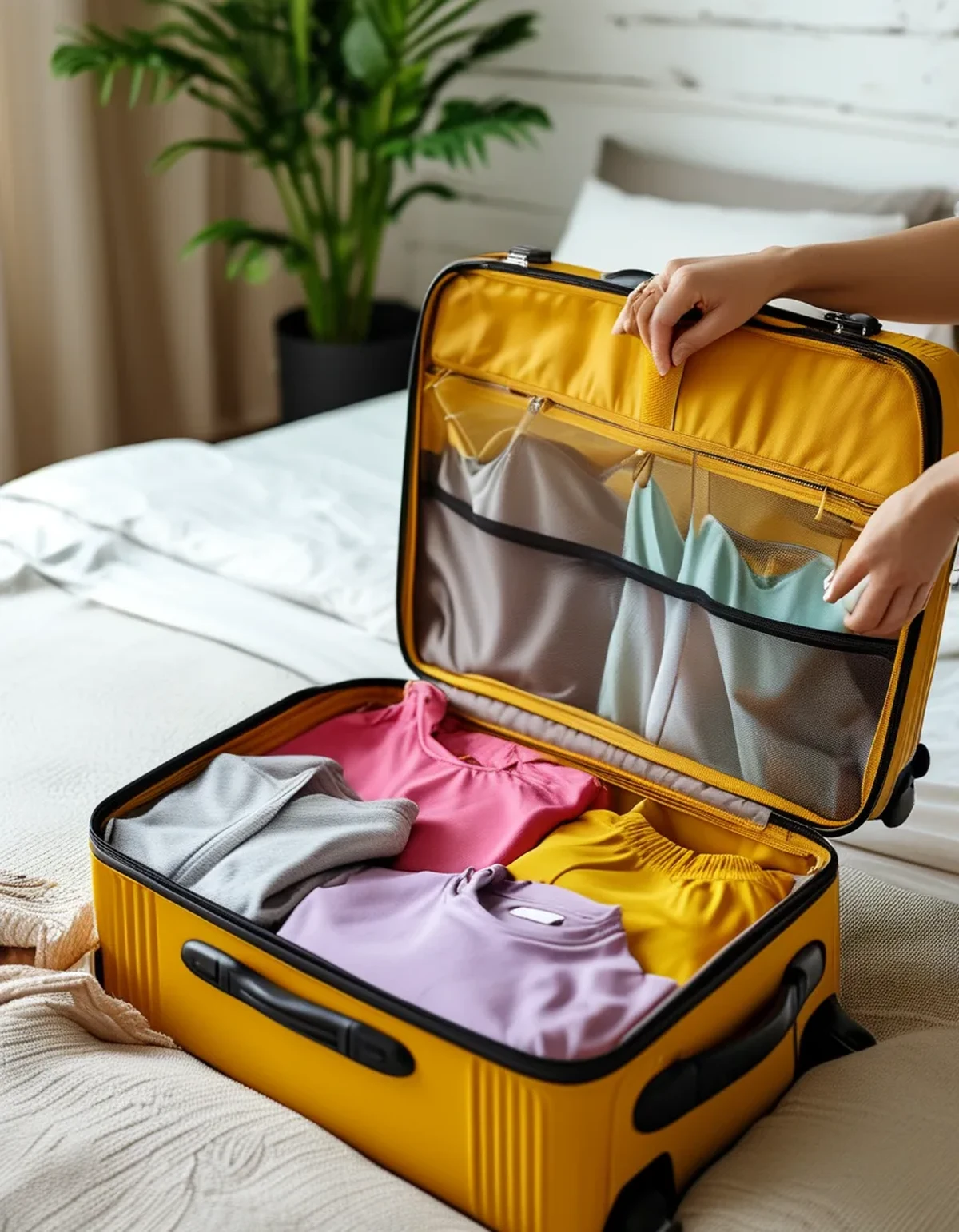
Standard packing cubes work fine for the clean-clothes side, but the worn-clothes cube benefits specifically from a water-resistant or mesh-ventilated design, since trapping damp fabric in a fully sealed, non-breathable cube can make odor and mildew risk worse rather than better. A dedicated ‘wet bag’ (marketed for swimwear, but equally useful for sweaty workout gear) is a reasonable low-cost addition if a full packing cube set isn’t already part of your travel kit.
If buying dedicated gear isn’t practical, even a repurposed grocery tote or a gallon zip bag with the top left slightly open for airflow functions as a workable substitute for the worn-items separation, though it won’t compress or organize as neatly as a purpose-built cube.
What Nobody Tells You About Packing Activewear for Trips
Most travel packing guides talk about cubes generically for clothing categories but rarely address activewear’s specific damp/odor problem as distinct from regular clothes — a folded t-shirt and a folded sweaty sports bra don’t have the same packing needs, even though most guides treat all clothing the same.
It’s also rarely mentioned that packing one extra empty cube specifically for the return trip’s worn items (even if you didn’t need a worn-items cube on the way there) prevents the common problem of having nowhere organized to put gym clothes worn on the last day of a trip before flying home.
Does this system change for trips without daily laundry access?
Yes — for trips longer than 4-5 days without laundry, rotating worn items out of the damp cube and hand-washing in a sink with quick-dry fabric (common in most modern activewear) prevents the worn-items cube from accumulating too much volume or smell by the trip’s midpoint. Hanging items to dry overnight, even briefly, before returning them to any bag also meaningfully reduces lingering dampness compared to packing them away still damp.
FAQ: Packing Workout Clothes for Travel Questions, Answered
How many packing cubes do I actually need for a week-long trip with daily workouts?
Two dedicated activewear cubes (clean and worn) is usually sufficient even for daily workouts over a week, especially if you’re doing any sink-washing partway through.
Should shoes go in the same system?
Workout shoes are better in their own separate bag or shoe compartment, since they carry their own odor and dirt concerns distinct from fabric items, and can damage other packed items if left loose.
Is it worth compressing activewear cubes to save space?
Compression works well for clean items but should be used cautiously for the worn/damp cube, since compressing damp fabric tightly can worsen odor and slow drying compared to leaving it looser with some airflow.
TL;DR:
- Worn activewear packed loosely with regular clothes transfers moisture and odor over multi-day trips
- A two-cube system — clean activewear separate from worn/damp items — solves this with minimal extra effort
- A breathable or mesh-ventilated cube works better for worn items than a fully sealed one
- Pack an extra empty cube for the trip home to catch the last day’s worn workout clothes
Five minutes of extra packing structure keeps your favorite travel top from smelling like yesterday’s workout — a small system that makes a noticeable difference by day three of any trip.
See It in Motion
Seen here: UPF 50+ Racerback Yoga Tank Top — shop it on bubblelime.com
Keep Reading
This article is for general informational and styling purposes only. Fit, sizing, and product availability may vary.