Packing One Pair of Shoes: How to Choose Without Wrecking Your Feet by Day Three
Quick Answer: One pair works if it is a cushioned, neutral trainer with a roomy toe box in a neutral color - and if you pack two different sock weights and a second insole. The shoe is rarely what fails on a trip. Wearing the identical shoe-sock-load combination for six straight days is what fails.
Shoes are the heaviest thing in the bag and the first thing you regret. So you stare at three pairs, pack two, wear one, and haul the other 4,000 miles untouched.
The single-pair trip is genuinely doable. It just requires deciding on the right axis - and the right axis is not style.
Here is how to pick, and how to survive day three.
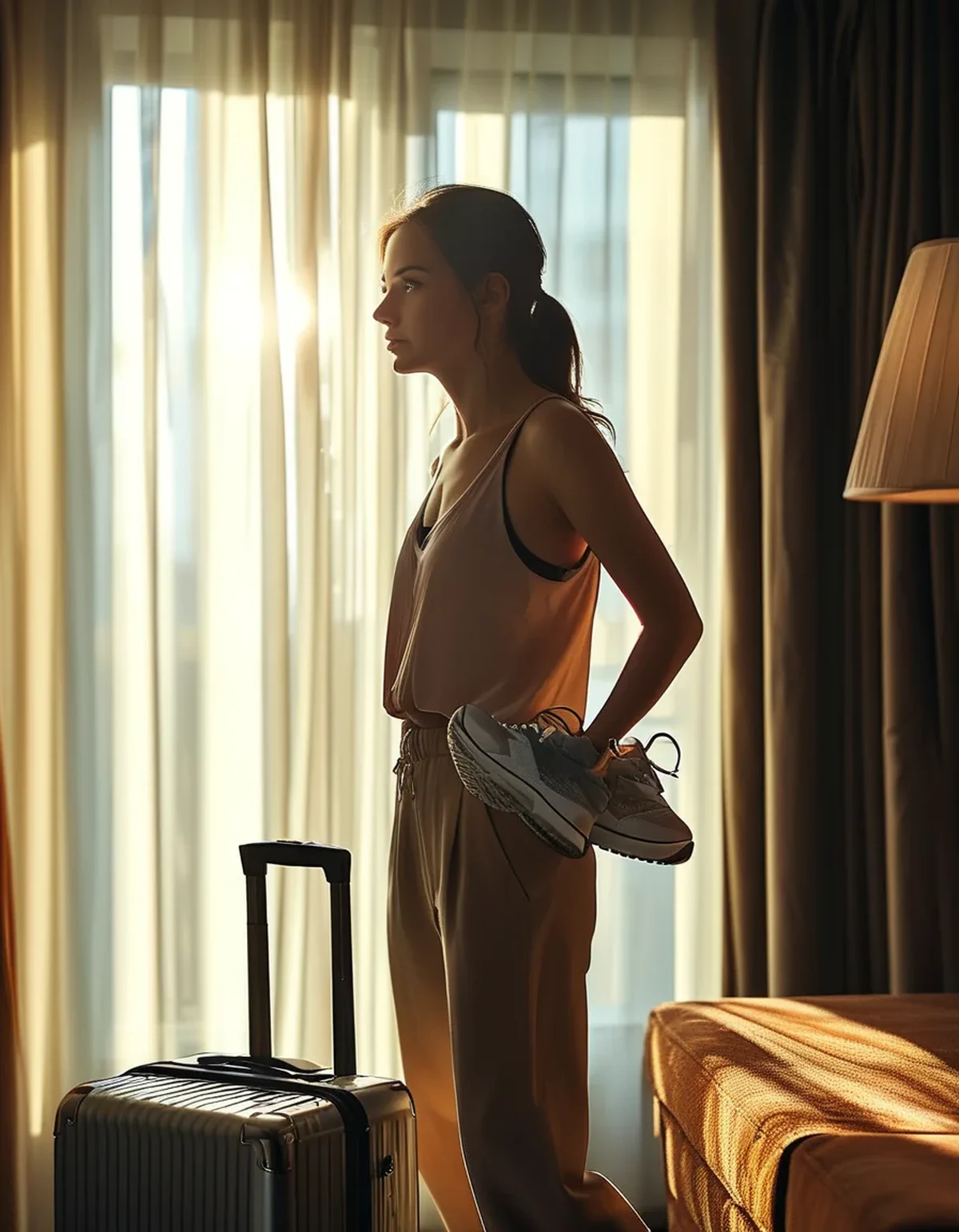
Can one pair really cover walking, workouts, and dinner?
For most trips, yes - with one honest exception. A cushioned neutral trainer handles 8-10 miles of city walking, an easy hotel gym session, and a casual dinner without embarrassing you.
What it does not handle is speed. Intervals, a race, or a court sport in a soft daily trainer is where the compromise stops working, and that is a second-shoe trip.
The other exception is a genuine dress code. If the trip has one black-tie evening, that evening decides the packing list, not the walking.
Everything else - museums, markets, airport sprints, an easy jog, a work dinner - is inside one shoe’s range.
Which shoe type survives the most scenarios?
The winning profile is boring on purpose:
- Cushioned neutral trainer, not a stability shoe and not a minimalist one - foot fatigue over long days beats every other consideration
- Roomy toe box, because feet swell 5-8% on travel days and that swelling does not fully reverse overnight
- Neutral color - white, bone, black, or grey reads as casual sneaker rather than gym shoe under dinner lighting
- Knit or engineered mesh upper, which handles a rain shower and dries by morning
- Under 10 ounces if you will ever carry it in the bag
An old favorite you already trust beats a new shoe every time. A trip is a terrible place to break something in.
How do you stop one pair from destroying your feet by day three?
Day three is when single-pair trips fall apart, and it is almost never the shoe. It is repetition - identical shoe, identical sock, identical lacing, six to eight hours a day on hard surfaces.
The fix is to vary what you can:
- Two sock weights. A thin sock and a cushioned sock change the fit and the pressure map completely.
- A spare insole. Two ounces, and swapping it on day three is the closest thing to a second pair of shoes.
- Re-lace mid-trip. Skip an eyelet, or use a heel lock. Different pressure points, same shoe.
- Air them out nightly. Pull the insole, loosen the laces, and let the shoe dry - a damp midsole feels flatter the next morning.
- Ten minutes of feet up at the end of a walking day does more for swelling than anything else you can pack.
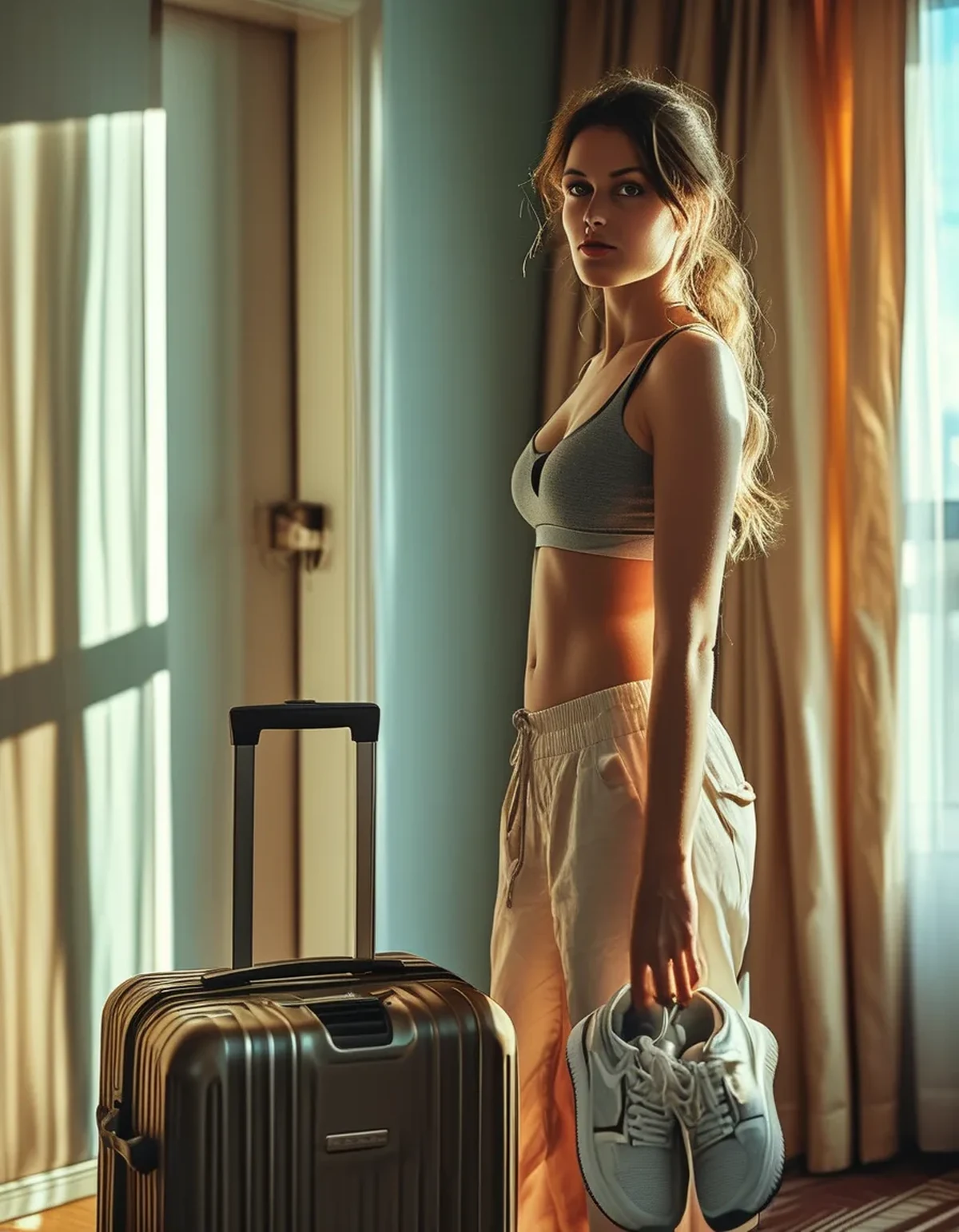
5 Mistakes Everyone Makes Packing Shoes
1. Packing for the fantasy trip. You bring the hiking shoe for a hike you have not booked. If it is not on the calendar, it is not in the bag.
2. Bringing new shoes. The blister you get on day one follows you for the whole trip.
3. Choosing a shoe for the flight rather than the destination. You spend six hours on the plane and sixty on your feet.
4. Packing shoes empty. Socks, chargers, and underwear all fit inside a shoe. An empty shoe wastes about a liter of bag volume each.
5. Forgetting the sock math. One extra pair of socks weighs almost nothing and solves more problems than a second shoe.
What if the trip genuinely needs a second shoe?
Then make the second shoe the light one. A packable flat, a minimal slide, or a thin-soled dress shoe adds 6-9 ounces, while a second trainer adds close to two pounds.
Wear the bulky pair through the airport and pack the light one. This is the oldest trick in the book because it works - the heaviest item never belongs in a weighed bag.
And if the trip has both a workout requirement and a formal requirement, that is not a one-pair trip. Accepting that on day zero is cheaper than limping through day four.
FAQ: One-Pair Packing Questions, Answered
Will a running shoe look out of place at dinner?
In a neutral color with a slim silhouette, rarely - most cities have fully absorbed the sneaker-with-everything look. Bright multicolor racing shoes are the ones that read as gym-only.
What about wet weather?
A mesh trainer plus a spare insole beats a waterproof shoe for a mixed trip. Waterproof uppers keep sweat in and dry slower once water gets over the collar.
Can I do a workout in the same shoe I walked 20,000 steps in?
For easy running and general strength work, yes. Give the midsole a few hours to rebound before you ask it to absorb impact again - a morning workout on a shoe rested overnight feels noticeably better than an evening one.
TL;DR:
- One cushioned, neutral, roomy trainer covers walking, easy workouts, and casual dinners.
- The shoe rarely fails - the identical shoe-sock-load repetition does.
- Pack two sock weights and a spare insole; re-lace on day three.
- If you need a second pair, make it the light one and wear the heavy one on the plane.
- Never travel in a shoe you have not already put 20 miles on.
Packing one pair is not about being tough. It is about removing the one variable that ruins trips - a shoe you have not tested - and then giving your feet enough variety inside that single shoe to make it to the flight home.
Keep Reading
This article is for general informational and styling purposes only. Fit, sizing, and product availability may vary.