How to Eat Healthy While Traveling (Without Missing Out)
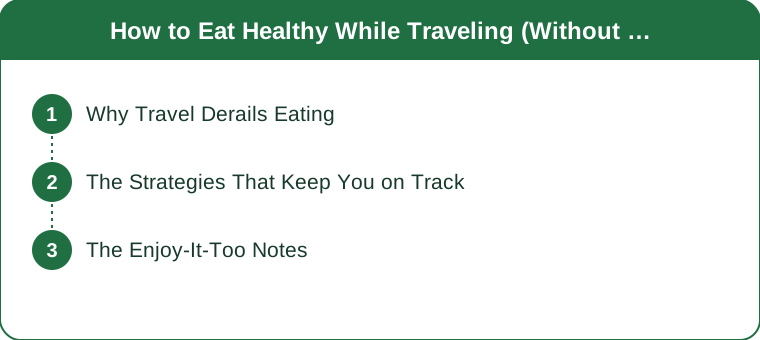
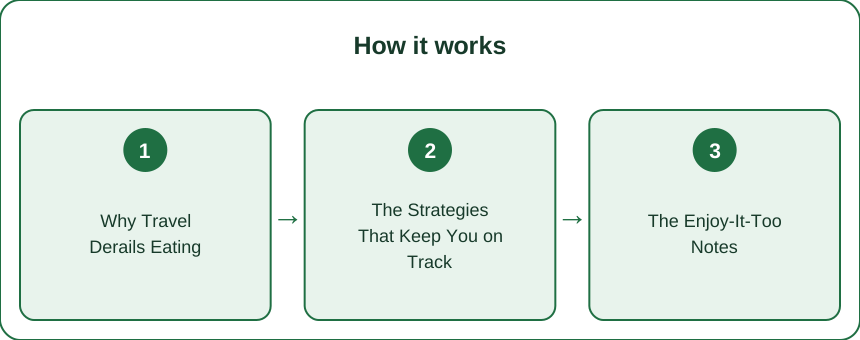
Travel has a way of quietly wrecking good eating habits — unfamiliar menus, long transit days, and that “I’m off the clock” feeling all working against you at once. The good news is that eating healthy while traveling doesn’t mean skipping the food that makes a trip memorable. Here’s why travel derails eating in the first place, and the small strategies that keep you on track without missing out.
Quick Answer: You can eat healthy while traveling by packing a few protein and fiber snacks, staying ahead of hydration, anchoring meals around protein and vegetables when you can, and eating regularly instead of skipping meals and then overeating later. Leave room to enjoy a few local, worth-it meals guilt-free — the goal is balance for the trip, not perfection.

Why does travel make healthy eating so much harder?
Airports, gas stations, and transit hubs default to processed, grab-and-go options because that’s what sells and travels well — not because it’s what’s actually good for you. Convenience is working against you by default, so you have to actively look for the better option rather than assuming it’ll appear.
On top of that, travel strips away the routine that normally anchors your eating. At home you probably eat around the same times, in the same places, without thinking much about it. On the road, that structure disappears, and an “I’m on vacation, anything goes” mindset can turn one indulgent meal into an all-day free-for-all. Long flights and time zone changes add dehydration and fatigue into the mix too, both of which are notorious for masquerading as hunger and driving cravings you wouldn’t normally have.

What actually keeps you on track while you’re away from home?
A handful of simple habits do most of the work here, and none of them require giving up the fun parts of travel. Packing your own snacks is the single easiest win — protein and fiber options like nuts, jerky, or a protein bar mean you’re never stuck choosing between vending-machine candy and nothing.
The rest of the toolkit is just as low-effort:
- Drink water steadily through the day, especially on flights — a lot of “hunger” mid-travel is actually mild dehydration
- Anchor meals around protein and vegetables whenever the menu allows it, then let the rest of the plate be whatever sounds good
- Scan the options wherever you land and pick the best realistic choice, rather than the “healthiest possible” one that might not exist
- Eat on a regular schedule instead of skipping meals to “save up” — skipping almost always backfires into overeating later
- Stay mindful of liquid calories (cocktails, sugary coffee drinks) since they add up fast without feeling like “real” food
- Keep moving where you can — a walking tour or a hotel gym session helps balance out a bigger dinner
Is it okay to enjoy local food and treats while traveling?
Absolutely — the goal is balance, not restriction, and travel is exactly when the 80/20 approach earns its keep. Eating well most of the time leaves plenty of room to savor the meals that are actually worth it. If there’s a dish or a bakery you’ll regret skipping, have it, enjoy it fully, and skip the guilt afterward.
Seeking out fresh, local ingredients is often the easiest way to get “healthy” and “a genuine trip highlight” in the same meal — a farmers market breakfast or a seafood dinner by the coast checks both boxes. And when the trip ends, just resume your normal routine rather than punishing yourself with an extreme reset. A trip is temporary; your everyday habits are what actually shape your health over time.
5 Mistakes Everyone Makes While Traveling
- Skipping meals to “save calories” for a big dinner, then arriving starving and overeating anyway.
- Assuming there’s no good option available and defaulting to whatever’s closest, instead of scanning for something better.
- Forgetting to hydrate on flights, then mistaking thirst for hunger and snacking unnecessarily.
- Treating the whole trip as a free-for-all instead of picking specific meals worth truly enjoying.
- Coming home and trying to “detox” or drastically restrict, instead of just easing back into normal routine.
FAQ
What snacks are best to pack for healthy travel eating?
Shelf-stable options with protein and fiber travel best — think nuts, jerky, protein bars, or dried fruit paired with something savory. They keep you from relying on vending machines or convenience-store shelves when hunger hits between real meals.
How do you avoid overeating on vacation?
Eating on a regular schedule instead of skipping meals is the biggest lever, since skipping almost always leads to overeating later. Beyond that, picking a few specific meals to truly savor — rather than treating every meal as a free-for-all — tends to satisfy cravings without the all-day grazing.
Should I talk to a dietitian before a long trip if I have health or digestive concerns?
If you’re managing a medical condition, food allergies, or digestive issues, it’s worth checking with a doctor or registered dietitian before a long trip to plan around your specific needs. They can help you build a simple, realistic eating plan for transit days and unfamiliar food environments.
TL;DR:
- Travel derails eating through convenience defaults, lost routine, an all-or-nothing mindset, and travel fatigue that masquerades as hunger.
- Pack protein and fiber snacks, hydrate consistently, and anchor meals with protein and vegetables when you can.
- Eat on a regular schedule rather than skipping meals to “save up” for later.
- Balance, not restriction, is the goal — savor a few local meals guilt-free and just resume normal routine afterward.
- Check with a doctor or dietitian ahead of time if you have specific health or digestive concerns to manage on the road.
Keep Reading
This article is for general informational and styling purposes only. Fit, sizing, and product availability may vary.