The Workout Clothes That Actually Sail Through Airport Security
Quick Answer: Avoid heavy metal hardware (large belt buckles, metal-heavy sneakers, underwire bras with thick metal wire) and slip-on shoes speed things up more than laced sneakers — the goal is minimizing what sets off the metal detector and what takes time to remove.
Comfortable travel activewear and security-friendly activewear aren’t automatically the same thing. A few small choices make the actual screening process faster.

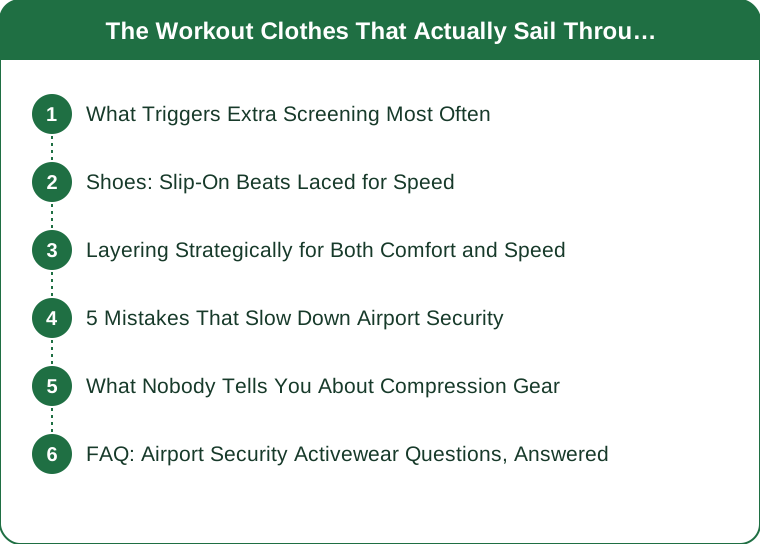
What Triggers Extra Screening Most Often
Large metal belt buckles, underwire bras with substantial metal wire, and shoes with heavy metal shanks or eyelets are the most common activewear-related triggers for secondary screening. A wire-free or minimal-wire sports bra avoids this entirely, and it’s one of the easiest swaps to make for travel days specifically.
Shoes: Slip-On Beats Laced for Speed
Slip-on sneakers or slides save meaningful time at security compared to lace-up shoes, since most checkpoints still require shoe removal. If you prefer laced sneakers for comfort, choose ones with minimal metal eyelets, which slightly reduces (though doesn’t eliminate) detector trigger likelihood.
Layering Strategically for Both Comfort and Speed
A zip-up jacket over a tank top is easier and faster to remove at security than a pullover hoodie, while still providing warmth for a cold plane cabin. Avoid multiple thin layers that all need separate removal — one substantial outer layer is faster than three thin ones.

5 Mistakes That Slow Down Airport Security
1. Wearing a large metal-buckle belt with joggers, unnecessary for most activewear waistbands that already have a functional drawstring. 2. Choosing lace-up sneakers with heavy metal shanks over slip-on options. 3. Forgetting to remove smartwatches and fitness trackers, which occasionally trigger secondary screening. 4. Packing liquids (like a full-size deodorant) in a gym bag carried as personal item without checking it against carry-on liquid rules. 5. Wearing a full underwire bra with substantial metal wire on a day already prone to setting off detectors.
What Nobody Tells You About Compression Gear
Compression leggings and socks don’t typically trigger any screening issues, but some very structured compression garments with built-in supportive panels can occasionally prompt a pat-down if they read unusually dense on imaging — this is uncommon but worth knowing if you’re a frequent traveler in heavy compression gear.
FAQ: Airport Security Activewear Questions, Answered
Are leggings fine to wear through security?
Yes, leggings themselves cause no screening issues — the concern is limited to metal hardware and shoe type, not the leggings fabric or fit.
Should I wear a sports bra without any wire for travel days?
A wire-free sports bra is a reasonable precaution specifically for travel days if you want to minimize any chance of extra screening, though most standard underwire bras don’t trigger issues either.
Do compression socks need to be removed at security?
No, compression socks worn under pants or leggings don’t need removal and don’t typically affect screening.
TL;DR:
- Heavy metal hardware and underwire bras are the most common activewear security triggers
- Slip-on shoes are faster through security than laced sneakers
- One substantial outer layer beats multiple thin layers for removal speed
- Compression gear is generally fine, with rare exceptions for heavily structured pieces
A few small swaps on travel days shave real time off the security line without sacrificing the comfort activewear is chosen for in the first place.
See It in Motion
Seen here: High Waist Yoga Leggings with Side Pockets — shop it on bubblelime.com
Keep Reading
This article is for general informational and styling purposes only. Fit, sizing, and product availability may vary.